

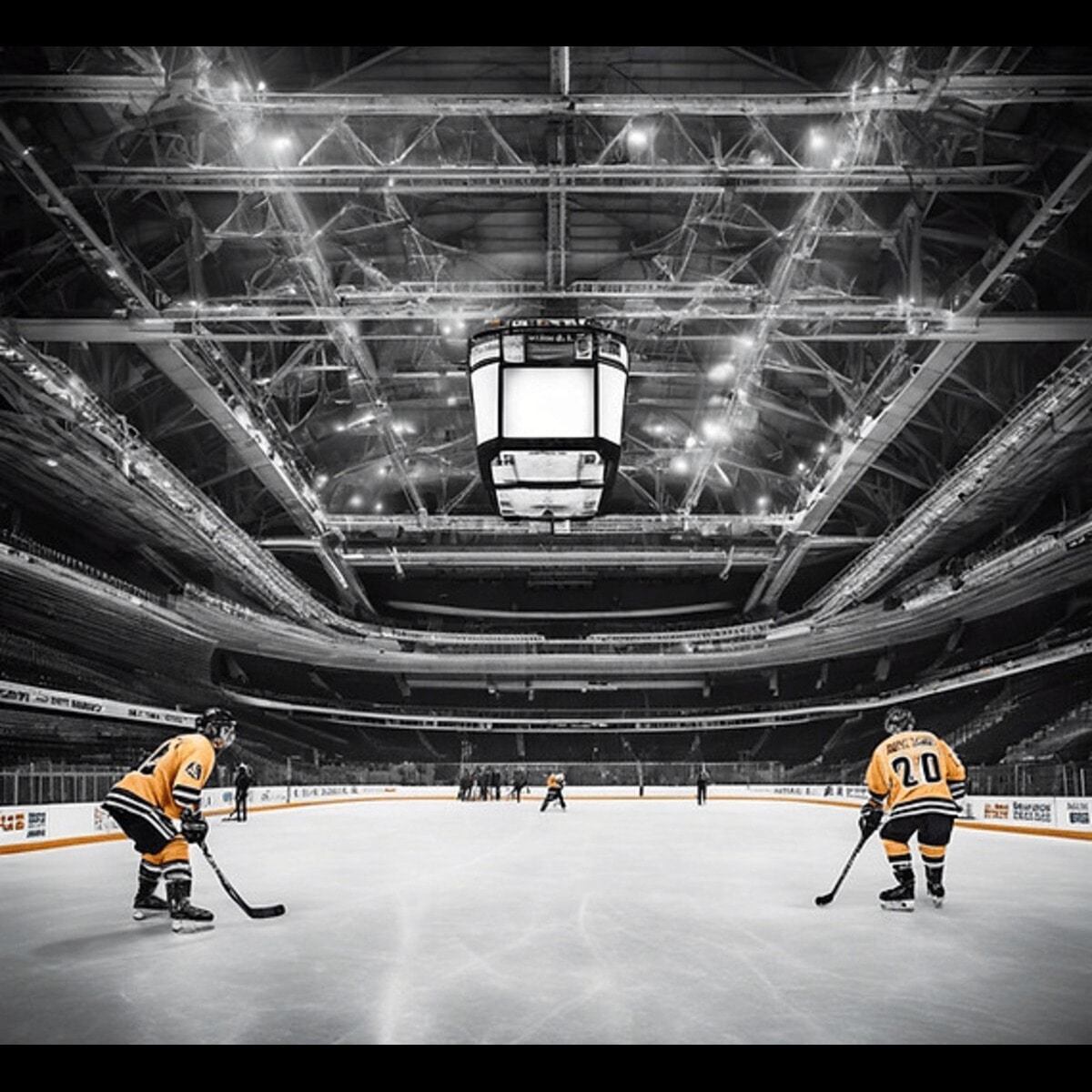
Sport facilities ,Maintaining an ice arena or rink is a complex task that requires precision and proactive care. Ice rinks used for hockey, figure skating, and recreational skating demand consistent conditions to ensure safety, performance, and cost efficiency. Improper maintenance can lead to issues such as uneven ice surfaces, excess condensation, and equipment malfunctions. In this guide, we explore the best strategies to address common problems in ice rink maintenance for sports facilities.
1. Ice Surface Quality: Ensuring a Smooth and Safe Rink
Common Issues:
- Uneven ice formation
- Soft spots or cracks in the ice
- Excessive snow buildup on the surface
- Rapid ice deterioration due to poor refrigeration
Solutions:
- Regular Resurfacing: Use an ice resurfacing machine (such as a Zamboni) to level the surface, remove snow buildup, and add a fresh layer of water to maintain smoothness.
- Proper Ice Thickness: Maintain ice thickness between 1.5 to 2 inches for optimal conditions. Thicker ice requires more energy to maintain, while thinner ice can crack under stress.
- Temperature Monitoring: Ensure consistent ice temperature (-4°F to 24°F) by adjusting the refrigeration system based on usage levels.
- Patch Repairs: Address small cracks or soft spots using hot water and slush mix before they expand into larger issues.
2. Humidity and Condensation Control for sport facility
Common Issues:
- Foggy conditions inside the arena
- Condensation on walls, ceilings, and spectator seating
- Ice quality deterioration due to excess moisture
Solutions:
- Install Dehumidifiers: Using high-performance dehumidifiers prevents moisture accumulation, ensuring better visibility and ice stability.
- Improve Ventilation: Maintain proper airflow using HVAC systems to remove excess moisture and control temperature.
- Seal Air Leaks: Prevent warm, humid air from entering the rink by sealing doors, windows, and any structural gaps.
- Use Insulated Barriers: Applying insulation on ceilings and walls reduces the chance of condensation and helps maintain an energy-efficient facility.
3. Refrigeration System Efficiency
Common Issues:
- Inconsistent ice temperature
- High energy consumption
- Frequent breakdowns or compressor failures
Solutions:
- Regular Equipment Inspections: Conduct routine checks on compressors, chillers, and pipes to detect leaks or mechanical failures early.
- Upgrade to Energy-Efficient Systems: Modern refrigeration units are more efficient and reduce operational costs.
- Maintain Proper Glycol Levels: The cooling system’s glycol levels should be maintained to optimize heat transfer and ensure ice stability.
- Use Automated Monitoring: Smart controls and sensors help monitor system performance and make real-time adjustments.
4. Safety and Compliance for sport facilities
Common Issues:
- Slippery walkways for players and spectators
- Poor air quality due to Zamboni exhaust
- Inadequate lighting affecting visibility
Solutions:
- Non-Slip Flooring: Install rubber mats around locker rooms, player benches, and entrances to prevent slips and falls.
- Air Quality Management: Use electric or propane-powered ice resurfacers to minimize emissions and ensure proper ventilation in enclosed rinks.
- Improve Lighting: Install LED lights to enhance visibility, reduce energy consumption, and meet safety regulations.
- Regular Inspections: Conduct safety audits and equipment checks to comply with local regulations and industry standards.
5. Energy Efficiency and Cost Savings for sport facility
Common Issues:
- High operational costs due to refrigeration and heating
- Overuse of water and electricity
- Inefficient heating and cooling balance
Solutions:
- Optimize Scheduling: Reduce ice maintenance frequency during off-peak hours to lower energy consumption.
- Install Motion Sensors: Use automated lighting and temperature controls to optimize energy use.
- Upgrade to High-Efficiency Equipment: Invest in modern dehumidifiers, HVAC systems, and LED lighting to cut costs.
- Use Renewable Energy: Implement solar panels or energy recovery systems to offset operational expenses.
6. Sport facilities Ice Maintenance During Events and High Traffic Periods
Common Issues:
- Increased wear and tear on ice during games or public skating sessions
- Ice becoming too soft due to excessive body heat and equipment use
- Long resurfacing times disrupting schedules
Solutions:
- Increase Resurfacing Frequency: Adjust maintenance schedules to accommodate high-traffic periods.
- Control Arena Temperature for sport facility: Reduce temperature slightly during peak events to keep ice firm.
- Use Faster-Acting Ice Resurfacers: Invest in advanced resurfacing equipment that reduces downtime and maintains ice consistency.
- Educate Staff: Train maintenance crews on best practices to ensure quick and effective ice repairs.
Conclusion
Proper maintenance of ice arenas and rinks is crucial for performance, safety, and cost-effectiveness. Addressing common challenges such as ice quality, humidity control, refrigeration efficiency, and safety ensures an optimal skating experience for athletes and visitors. By implementing proactive maintenance strategies, investing in high-quality equipment, and optimizing energy use, sports facilities can operate smoothly while maintaining world-class ice conditions. Regular inspections, advanced dehumidification systems, and proper resurfacing techniques are essential for extending the life of an ice rink and reducing operational costs.
For the best results, facility managers should stay updated on the latest technologies and industry standards. By doing so, they can create an ideal environment for sports and recreational activities while ensuring long-term sustainability. Implementing these best practices will help maintain the integrity and quality of ice arenas for years to come.